 Cities and countries
 Mythology
 French engraving
 About Us
 Digital copies
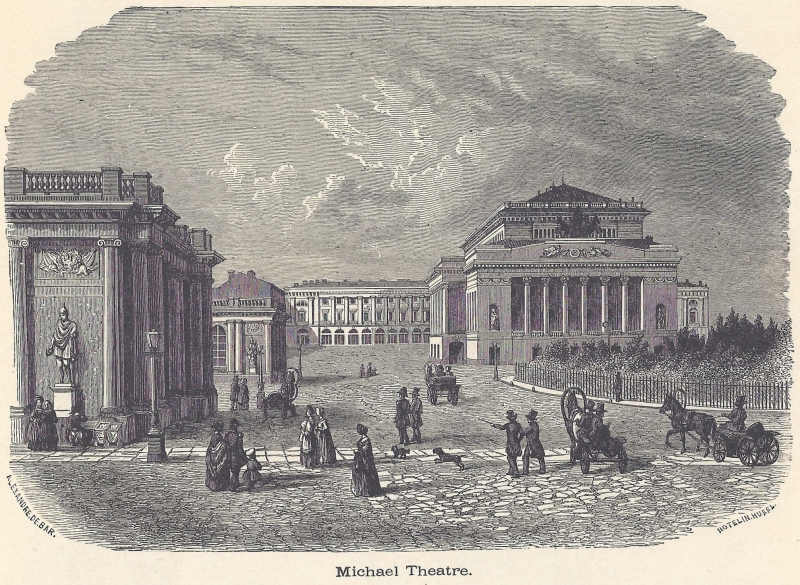
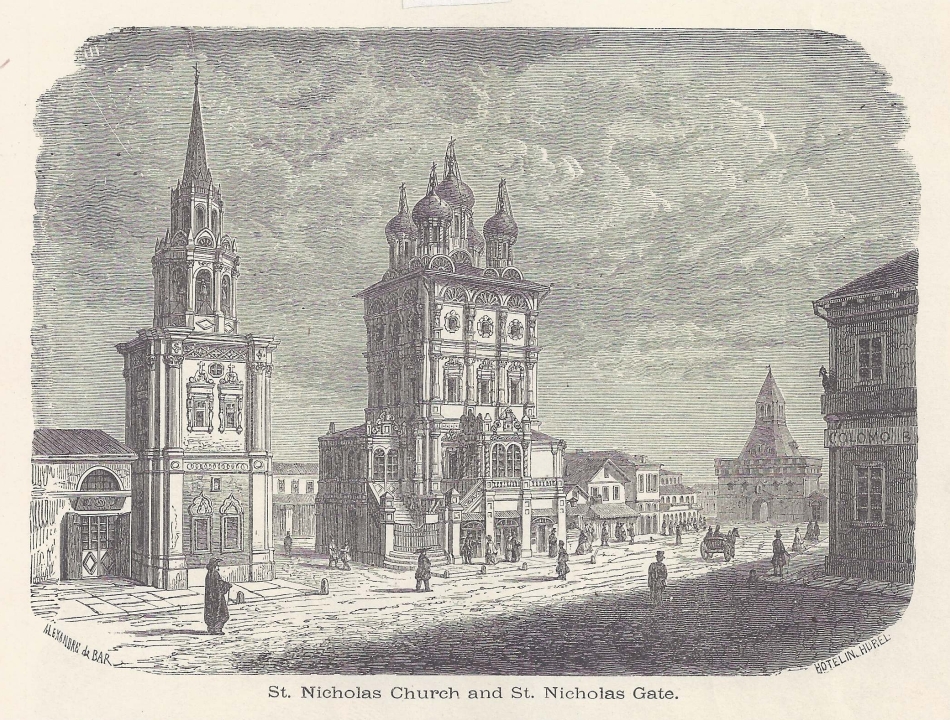
Alexandre Hurel (b. 1827, Metz — ?) was a French wood engraver active in the second half of the 19th century.
Alexandre Hurel was born in Metz in 1827. He received his artistic education in Paris, studying under two renowned masters of wood engraving — Laurent Hotelin and Isidore Régnier.
In 1862, Hurel began a long and fruitful collaboration with his teacher, Laurent Hotelin. Together, they created numerous engravings for leading French illustrated publications, including "Le Magasin Pittoresque", "Le Tour du Monde", and "L'Illustration" . Their joint works were signed "Hotelin-Hurel".
Hurel was one of the outstanding interpreters of Gustave Doré's drawings. He engraved illustrations for major 19th-century publications:
Chateaubriand's "Atala" (1863) — engravings for the famous novella by François-René de Chateaubriand, illustrated by Gustave Doré.
The Bible (1867) — contributed to the monumental Bible edition with Doré's illustrations, published by Cassell, Petter, and Galpin in London.
Louis Figuier's "The Human Race" (1872) — the American edition of this popular scientific work contained numerous engravings signed "Hotelin-Hurel".
Among other well-known works by the Hotelin-Hurel partnership are engravings depicting the Burke and Wills expedition to Australia (1862) after a drawing by Guiaud , and the satirical composition "Les victims de la mode" (1864) after a drawing by Bertall for "L'Illustration" magazine.
Alexandre Hurel first exhibited his works at the Paris Salon in 1866.
The collaboration between Hotelin and Hurel represents one of the most brilliant examples of 19th-century engraving partnerships. Their works, distributed in thousands of copies throughout Europe and America, shaped the visual culture of their time and brought the masterpieces of Gustave Doré and other great illustrators to millions of readers.