 Cities and countries
 Mythology
 French engraving
 About Us
 Digital copies
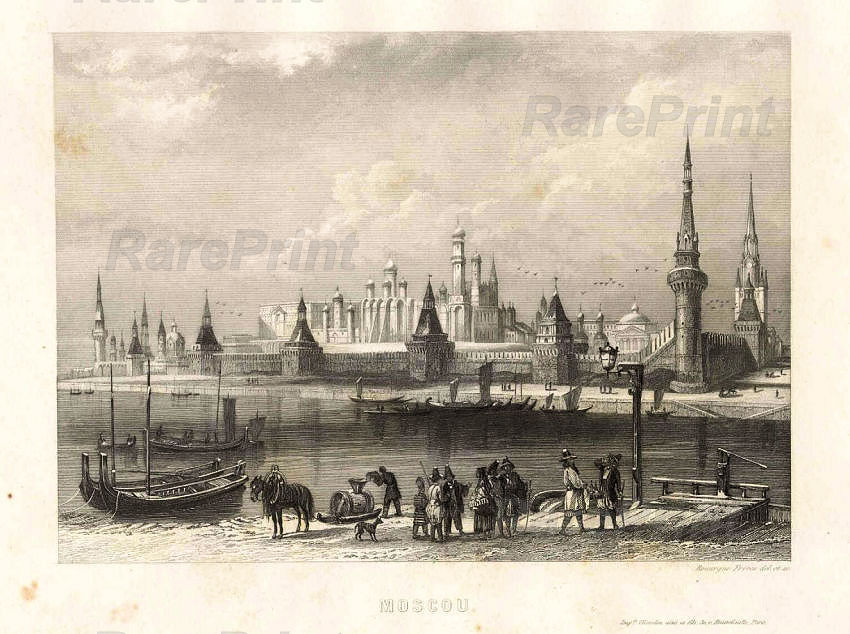
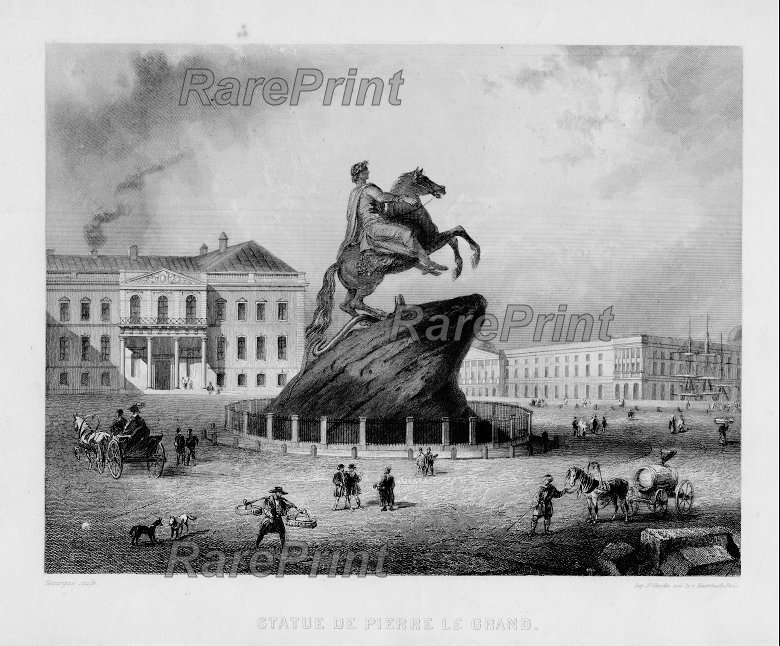
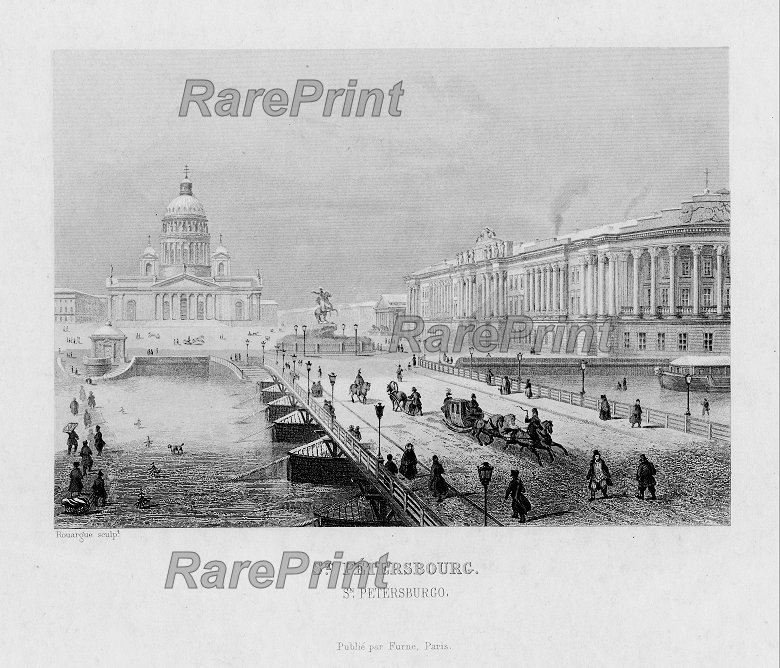
The Rouargue Brothers - Émile (c. 1795–1865) and Adolphe (1810–1884) - were renowned French draftsmen, engravers, and lithographers active in Paris during the mid-19th century. Their collaborative works, signed as "Rouargue frères," illustrated numerous publications dedicated to travel, architecture, and historical subjects.
Émile Rouargue (c. 1795–1865).
The elder brother, Émile Rouargue, was born around 1795. He studied under engravers Delaunay and Mariage and became an extremely prolific draftsman and line engraver. His work included engraved enamel after drawings by Raffet, religious images, and illustrations for numerous books. Among the most significant publications he contributed to were:
"Picturesque Journey through Spain and Portugal" by E. Begin (26 plates)
"Picturesque Journey through Italy" by P. de Musset (48 plates, 1856)
"Constantinople and the Black Sea" by Miry (22 plates, 1856)
"Picturesque Journey through Holland and Belgium" by E. Texier (1857)
"Paris and the Parisians" after drawings by Gavarni (1857–1858)
Adolphe Rouargue (1810–1884).
The younger brother, Adolphe Rouargue, was born in Paris on December 6, 1810. He studied under renowned masters - sculptor David d'Angers and painter Alexandre Colin. From 1831 to 1870, Adolphe regularly exhibited at the Paris Salon, presenting watercolors of marine views, landscapes of Brittany, Normandy, and Venice.
As a lithographer, Adolphe left a significant legacy, including the remarkable album "Picturesque Architecture" (Architecture pittoresque, 1834) featuring 50 views of Parisian monuments. He also created "Picturesque Brittany" and a series of Venetian views "from nature." Together with his brother Émile, they published the "Album of the Banks of the Loire" (1851) containing 50 engravings.
Collaborative Work
The Rouargue brothers often worked together, and engravings bearing the signature "Rouargue del. et sc." (drew and engraved) indicate that one of the brothers (usually Adolphe) acted as both artist and engraver. This universal mastery was highly valued by publishers, as it allowed them to create complete works without involving additional craftsmen.
Works by the Rouargue brothers are held in major international collections, including the National Library of France, the Library of Geneva, Harvard University Library, and others. Their engravings are highly valued by collectors for their technical perfection, architectural precision, and ability to capture the atmosphere of depicted locations. Adolphe Rouargue died in 1884 in Morsang-sur-Seine, and Émile in 1865 in Épône.