Cities and countries
 Mythology
 Reproductions of paintings
 About Us
 Digital copies
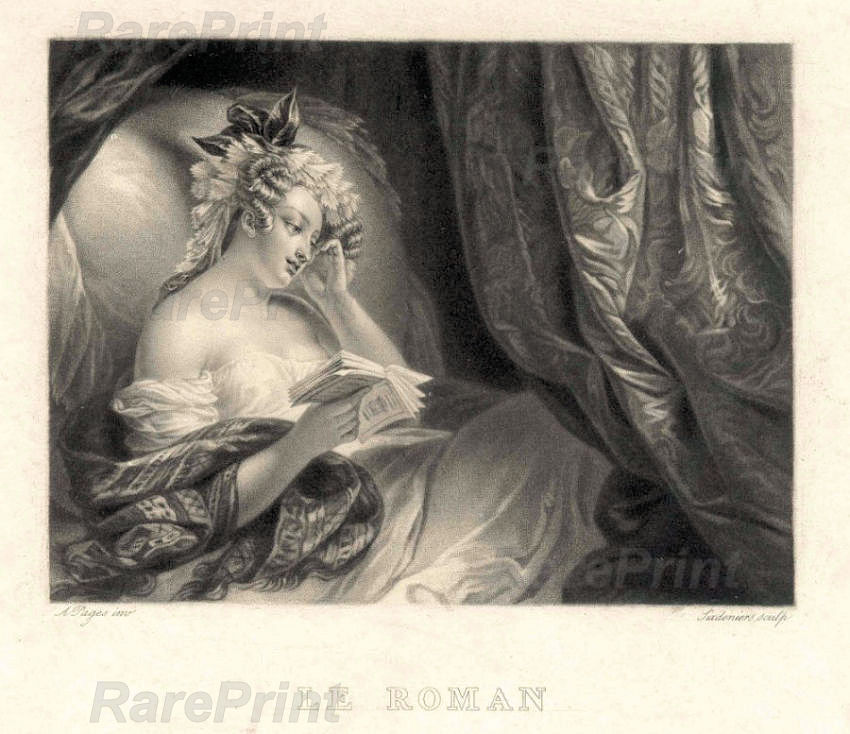
Artist from the early XIXth century, student of Charles Meynier (1768-1832), she was, under the Bourbon Restauration, the July Revolution of 1830 then the Second French Empire, one of the most accomplished and respected woman painter of her time. Most famously known for her copies ordered by the government to adorn province's churches and official buildings. Her participation to Salons show quite clearly of her ambition exceeding the status of an amanuensis, role usually devoted to women. She exhibited in the Salons under her maiden name from 1822 to 1833, then until 1853 under the name of her husband Christian Brune (1793-1849), landscape painter and teacher, with whom she also collaborated. Born of their union, Emmanuel-Jules Brune (1936 -1886) seems to benefit from some sort of artistic heredity as he will be awarded the Grand Prix de Rome in 1863 in the field of architecture. Ms. Brune's style is eclectic as she approaches many subjects. She executes at the same time the art of portrait, the sentimental genre scene, religious painting and some rare history painting. Her success can be measured by the engraving of her paintings and by the winning medals she received.

old prints & graphics