 Cities and countries
 Religion
 Mythology
 About Us
 Digital copies
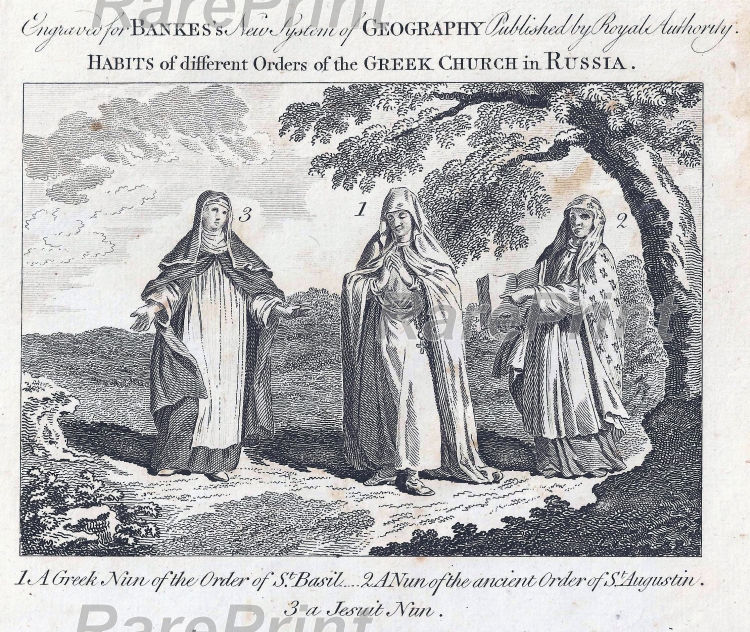
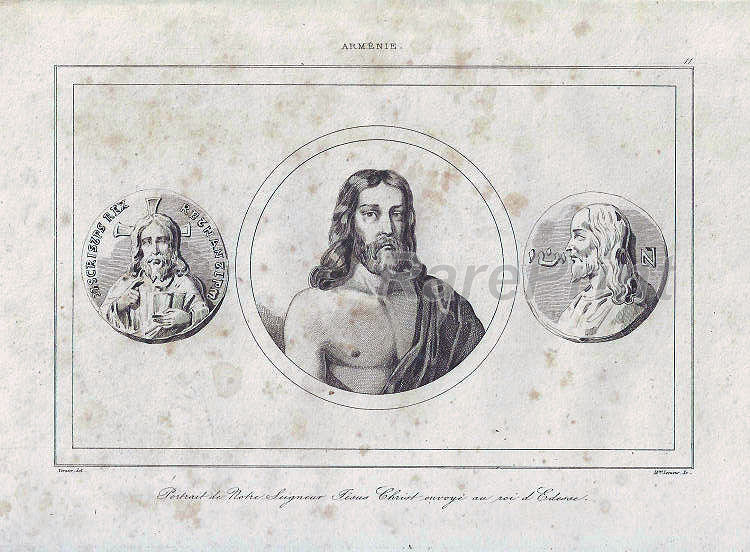
Orthodox engraving holds a special place in the history of Christian art. Unlike the Western European tradition, where engraving quickly became an independent art form, in the Orthodox world it long served primarily as a means of disseminating sacred images .
Of particular interest are printed icons—religious engravings that Orthodox monasteries and pilgrimage sites gifted to the faithful as blessings . They depicted either monasteries and holy cloisters, or scenes from Scripture and images of saints following traditional Orthodox iconography . Such prints allowed pious individuals to imagine themselves, if only in their minds, in distant holy places—on Mount Athos, at the Sinai Monastery, or in Jerusalem .
In Russia, the active development of religious engraving began in the 17th century, when Western European models, especially from the famous Piscator Bible, began to be used by icon painters as sources of compositional solutions . Russian masters creatively reworked Western engravings, adapting them to the Orthodox tradition and creating works that maintained canonical fidelity while employing new artistic techniques .
A distinct branch consists of folk religious pictures—popular prints on biblical themes, as well as engravings depicting renowned monasteries, which served both as pious souvenirs and as calls to pilgrimage . In the 19th century, lithographic icons produced in monastic printing houses became widespread and enjoyed enormous demand among the common people