 Cities and countries
 Mythology
 Books and Magazines
 About Us
 Digital copies
"La Nouvelle Géographie universelle, la terre et les hommes" (The New Universal Geography. The Earth and Its People) is a monumental 19-volume work by the renowned French geographer and anarchist thinker Élisée Reclus (1830–1905). It stands as one of the most ambitious and comprehensive geographical descriptions of the world ever published.
The work was published in Paris by Librairie Hachette et Cie over a period of nearly 20 years, from 1875 to 1894 . Each volume was issued in fascicles and then bound, covering a different major region of the world. The scale and scholarly depth of the project were unprecedented for its time.
Élisée Reclus was not merely a compiler of facts; he was a visionary geographer who had studied under the great Carl Ritter in Berlin. His life was marked by extensive travels across the Americas and Europe, and by his anarchist political convictions, which led to his exile from France after the Paris Commune . Despite this, his work was recognized for its exceptional scientific value. In 1892, the Paris Geographical Society awarded him its prestigious Gold Medal for this very work.
Reclus's approach was revolutionary for its time. He viewed geography not as a static list of places, but as the dynamic interaction between the Earth and its human inhabitants. The work presents a detailed picture of how the ecology of a place shapes the lives, livelihoods, and cultures of its people. This holistic perspective laid the groundwork for future schools of thought like regional geography and bioregionalism.
The 19 volumes systematically cover the entire globe. Based on library catalog records, the contents are organized as follows :
Volume Content
Vols. 1-4 Southern and Western Europe (Greece, Italy, Spain, France, Switzerland, British Isles, etc.)
Vols. 5-6 Northern and Eastern Europe (Scandinavia, Russia in Europe, Asiatic Russia, Siberia)
Vols. 7-9 Asia (China, Japan, India, Indo-China, South-West Asia)
Vols. 10-13 Africa
Vol. 14 Oceania
Vols. 15-19 The Americas (North America, Mexico, the Andes, Amazonia, etc.)
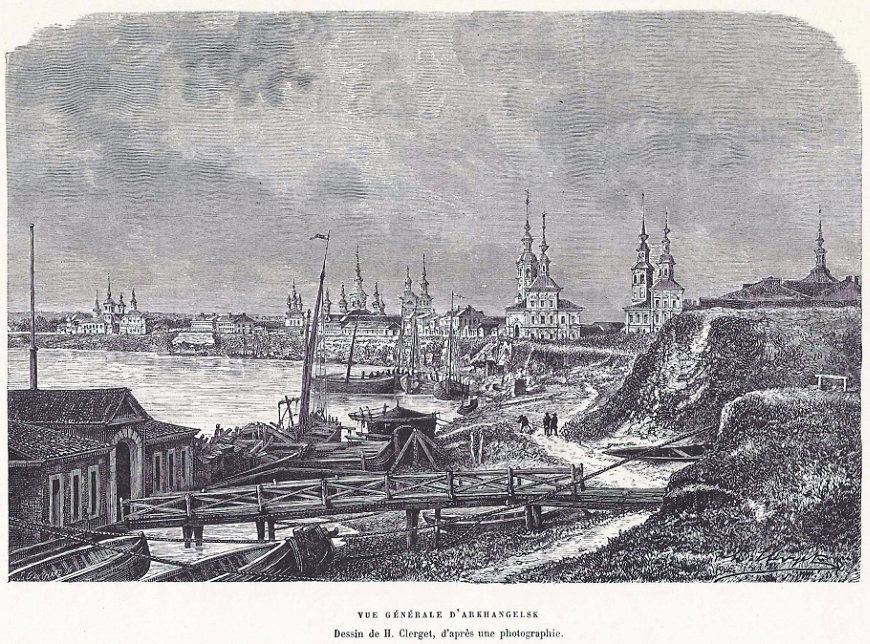
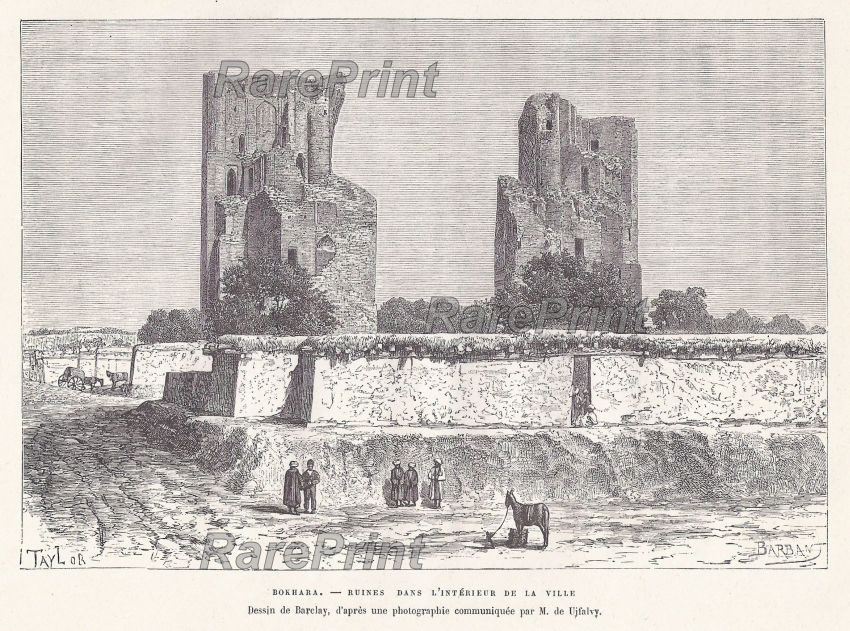
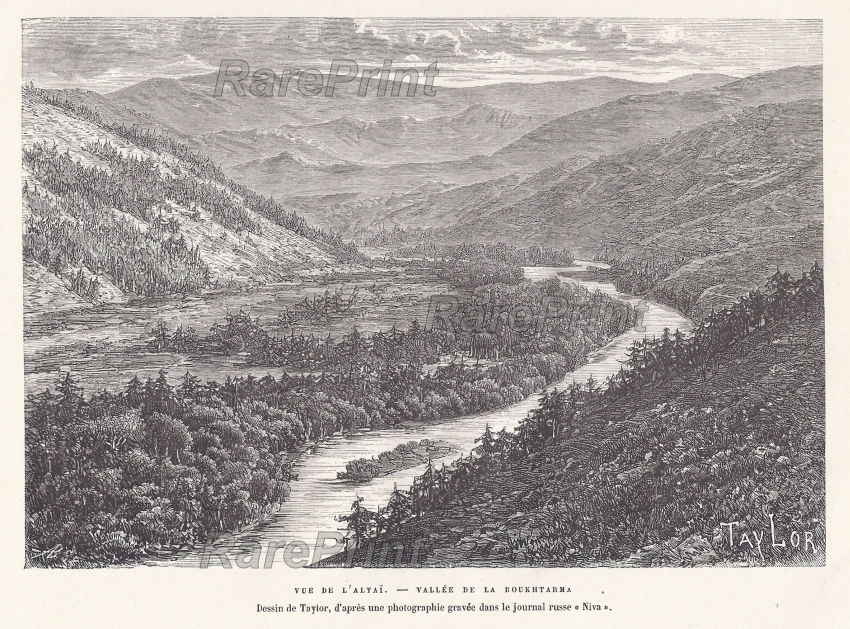
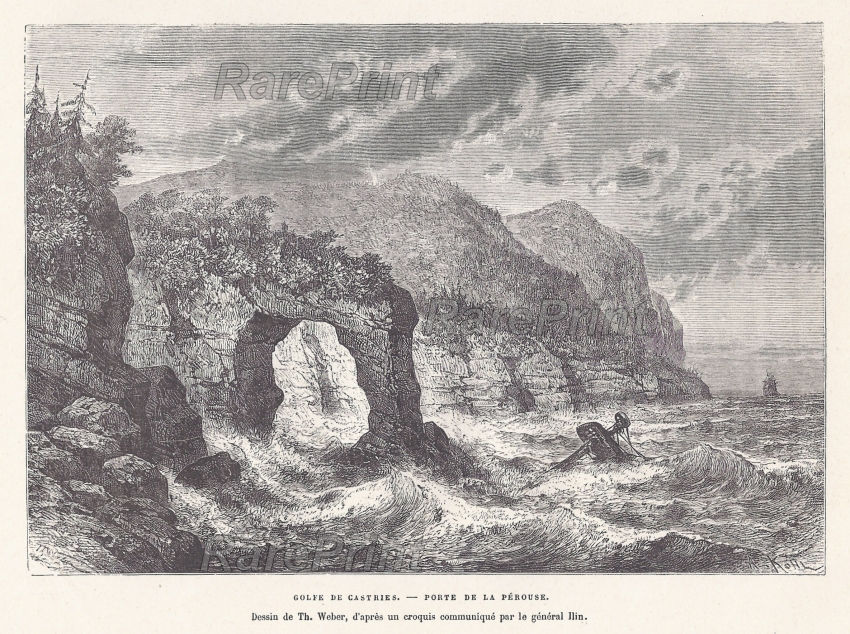
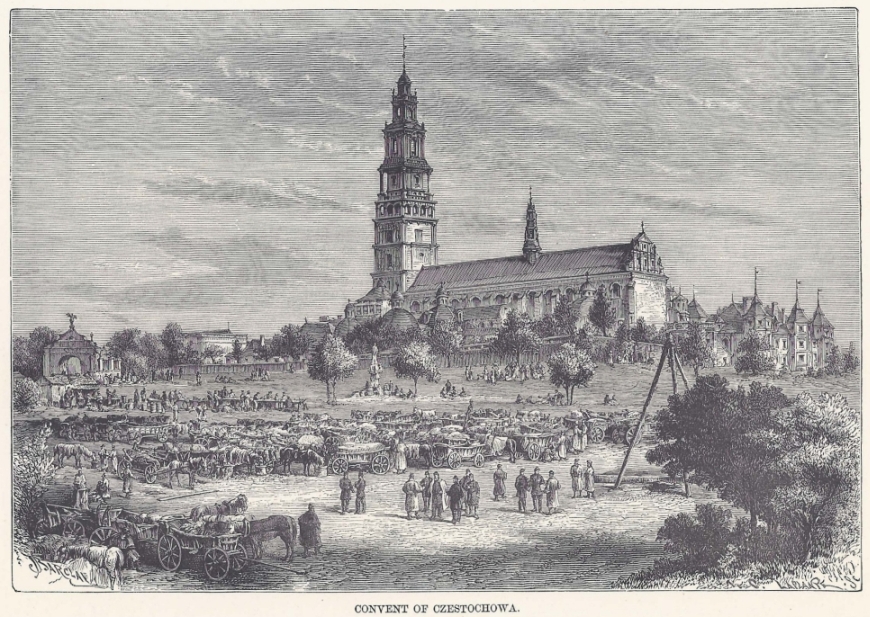
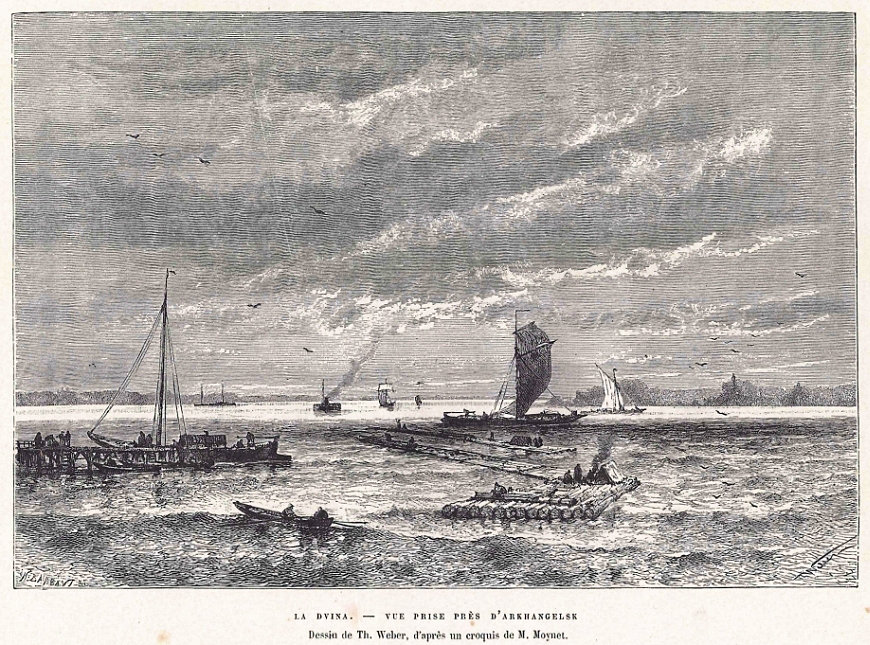
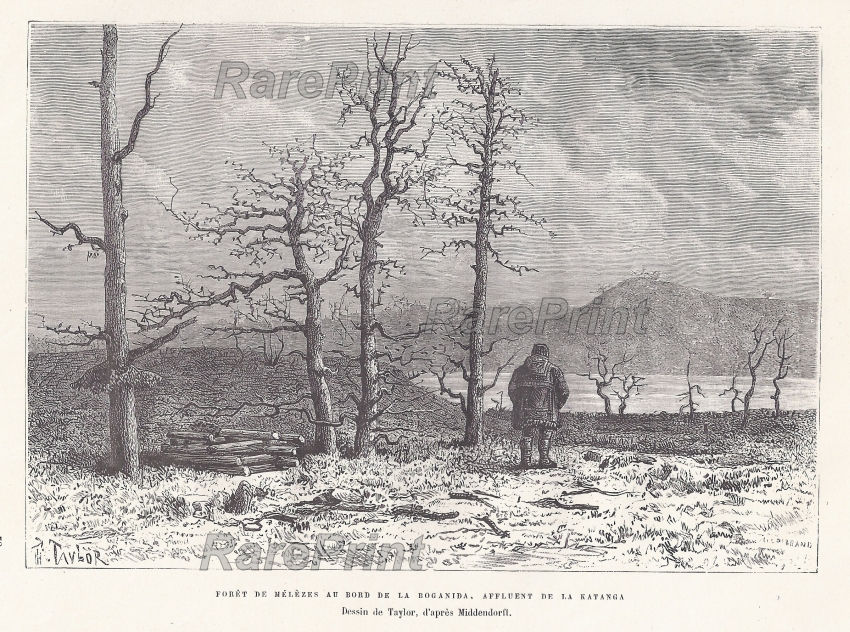
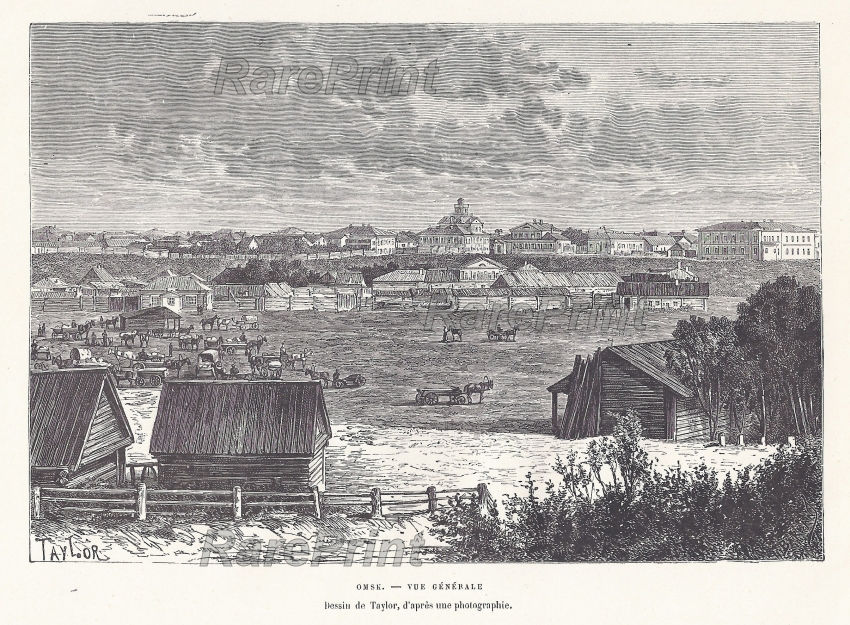
A defining feature of "La Nouvelle Géographie universelle" is its rich illustration. The work is profusely illustrated with thousands of wood engravings, maps, plans, and diagrams. A team of artists and engravers worked from photographs and original drawings to create these images, which were designed to complement and elucidate Reclus's text. The illustrations depict not only landscapes and cityscapes but also the peoples, their costumes, and their daily activities, bringing the geographical descriptions to life.
The work's importance was immediately recognized internationally. An English translation, titled "The Earth and Its Inhabitants," was published simultaneously in London and New York by D. Appleton and Company between 1881 and 1895. This translation was overseen by E.G. Ravenstein and A.H. Keane, ensuring its accuracy and authority for the English-speaking world.
"La Nouvelle Géographie universelle" remains a landmark of 19th-century scholarship. It is valued today by historians, geographers, and collectors not only for its scientific merit but also as a masterpiece of publishing, containing a vast and beautiful visual record of the world as it was known in the late 1800s.